Antarctic Flights Microsite

Welcome to Argentina’s Historic Antarctic Flights

Each aircraft featured in this microsite represents a defining chapter in Argentina’s presence in Antarctica. From the pioneering flights that opened routes across an unknown territory, to the logistical and scientific missions that sustain our presence on the White Continent, Argentine aviation —both Navy and Air Force— helped shape the aeropolitical and scientific history of the southernmost region of the country.
Every recorded flight is part of a technological and human epic, where ingenuity, courage, and a deep sense of duty made science, exploration, and continuous presence in Antarctica possible.
Across eight decades, the flights of the Argentine Navy and Air Force tell a story of challenges, discoveries, and sovereignty. From early seaplanes to modern polar transport aircraft, each machine opened routes, supported bases, strengthened scientific missions, and carried out rescues that remain etched in Antarctic memory.
This microsite invites you to explore that legacy — aircraft by aircraft, flight by flight.
Fokker F-27 Mk400 – The Established Scientific Transport

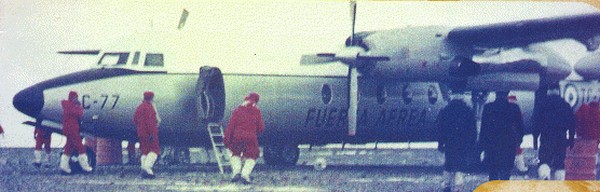
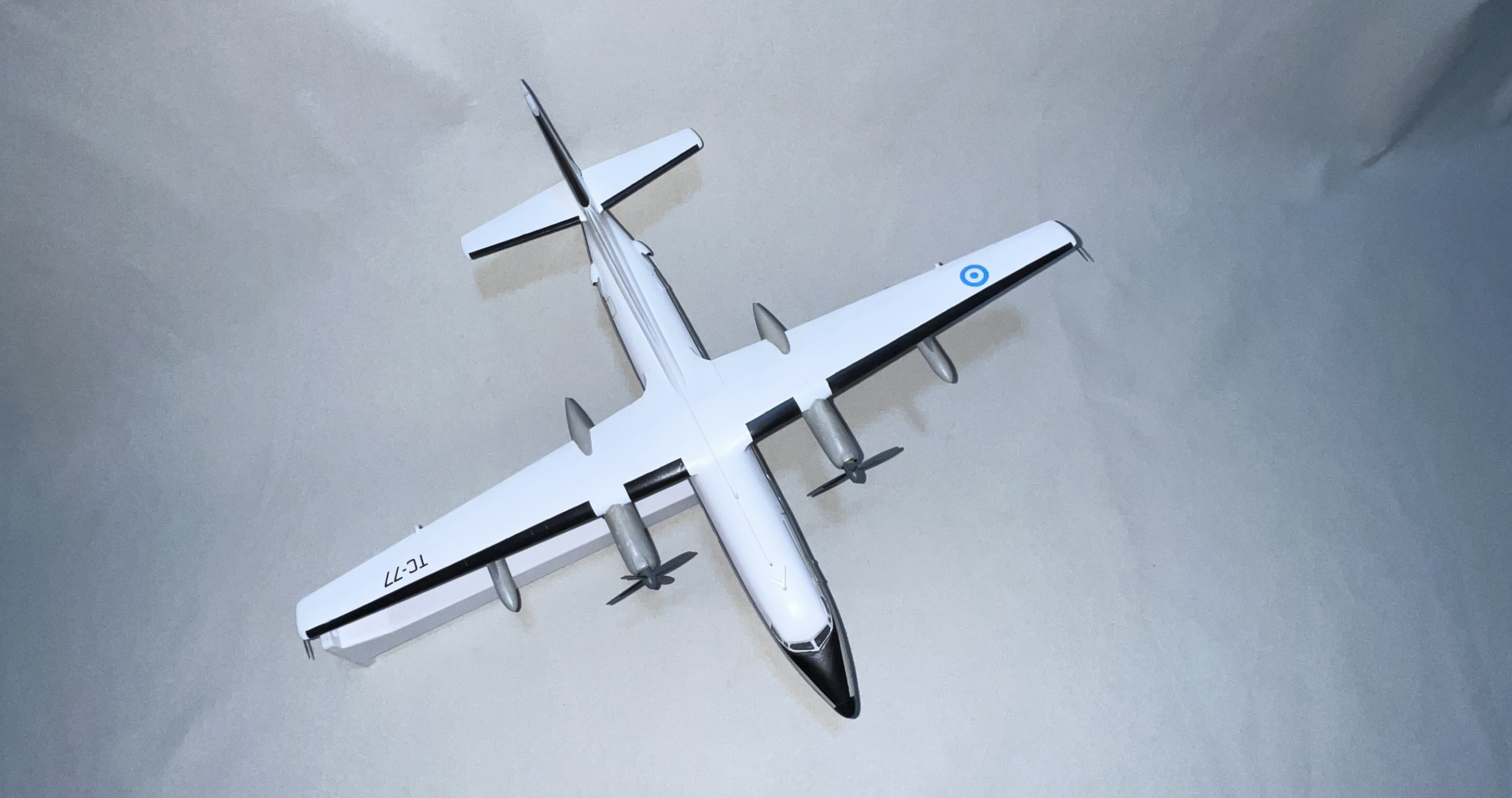
The Fokker F-27 Mk400 Friendship was incorporated to strengthen medium-lift transport to Antarctica, combining operational efficiency with reliability on scheduled flights. With capacity for passengers and scientific cargo, it was key to optimizing personnel rotation, especially for scientists and researchers on seasonal campaigns. Its crews flew with more modern navigation systems, improving operational safety in extreme conditions. The aircraft covered regional routes from southern Argentina to liaison bases prior to the Antarctic crossing or as approach flights to Marambio. It represented a transitional stage toward logistical professionalization, complementing the heavy-duty work of the Hercules. Its contribution allowed for the continuation of Argentine scientific research on the white continent.
Notable Missions

Inaugural Flight to Marambio Base (1969)
On October 29, 1969, the TC-77 landed from Río Gallegos on the newly inaugurated Marambio airstrip, marking the beginning of the use of standard transport aircraft from the Americas to Antarctica.
First Regular Operations and Accident (1969)
A few weeks later, the aircraft was involved in an accident without fatalities during logistical operations on the Marambio airstrip, an event that spurred technical improvements to the Antarctic infrastructure.

Avro Lincoln T-02 – The Long-Range Explorer

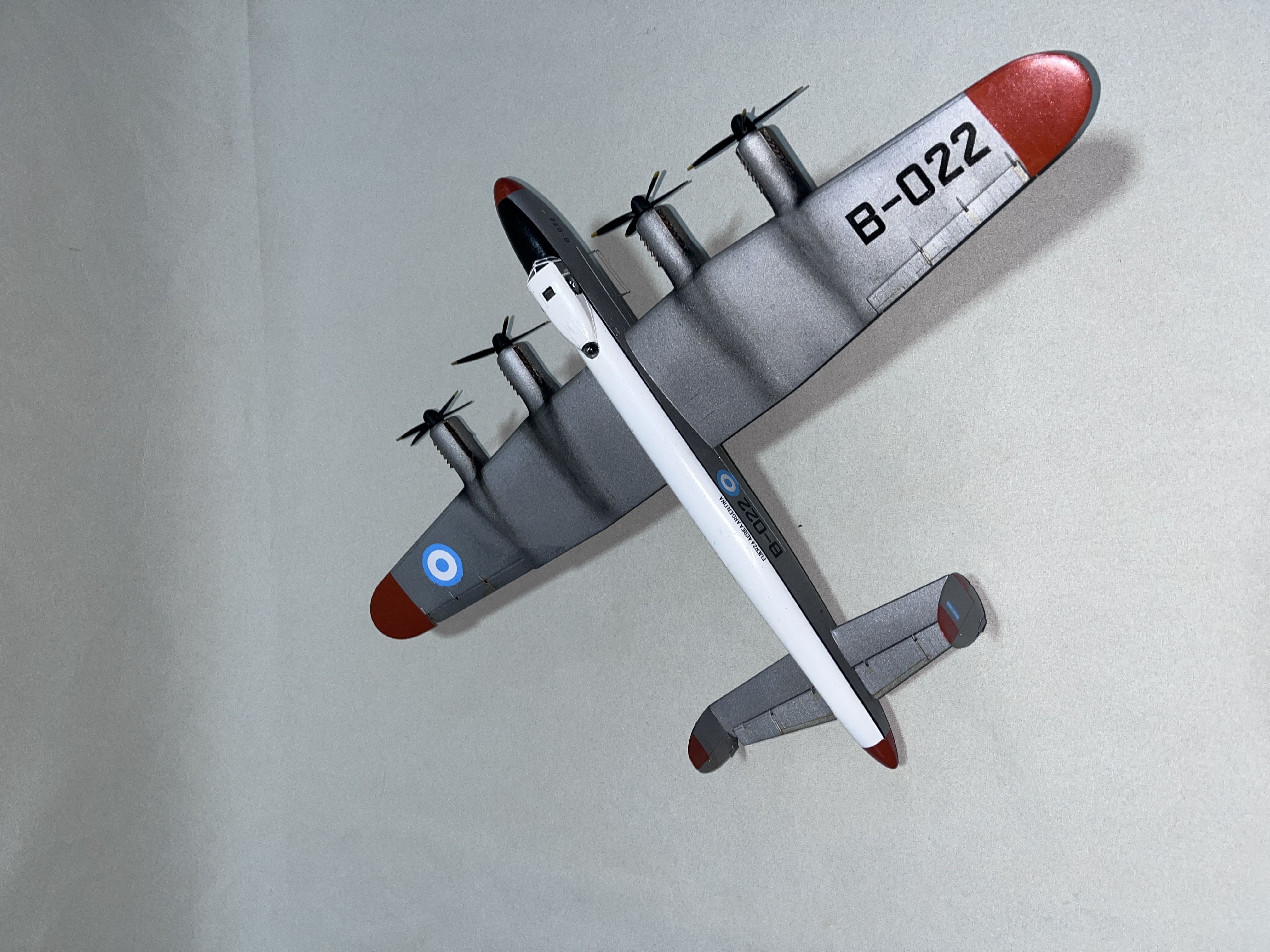
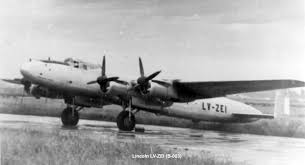
The Avro Lincoln T-02, a British heavy bomber adapted by the Argentine Air Force, played a fundamental role during the 1950s in long-range exploration, reconnaissance, and aerial mapping flights over Antarctica.
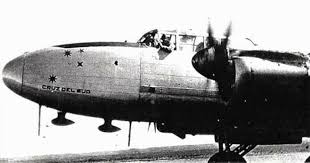
In official documentation, the aircraft appears as Avro Lincoln B-003, re-registered LV-ZEI “Cruz del Sud,” but it is the same aircraft that is usually referred to as Lincoln “T-02” in historical records.
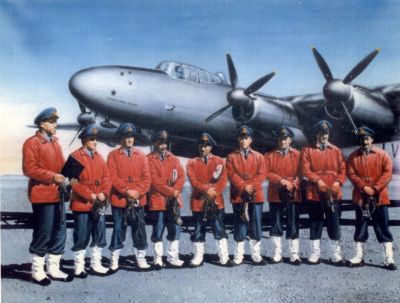
Crewed by navigators skilled in celestial navigation, it flew great distances without radio support, navigating by stars and polar routes. It provided essential geographical information about the white continent, recorded coastlines, and supported initial scientific campaigns. Its flights operated from Patagonia to the Antarctic territory, opening unprecedented air routes. It also transported small critical cargoes to bases under construction. The Lincoln represents the heroic era of Antarctic aviation: extensive missions, limited technology, and immense human value.
Notable Missions

Operation “Link” (1951)
First formal Argentine air operation in Antarctica. The Lincoln crossed the Drake Passage, reached Marguerite Bay, and linked up with General San Martín Base by air, dropping supplies.
Emergency Resupply (1953)
Critical flight to airdrop almost a ton of provisions to aid San Martín Base in an emergency situation. The flight was nonstop for more than 13 hours over open water and Antarctic ice.

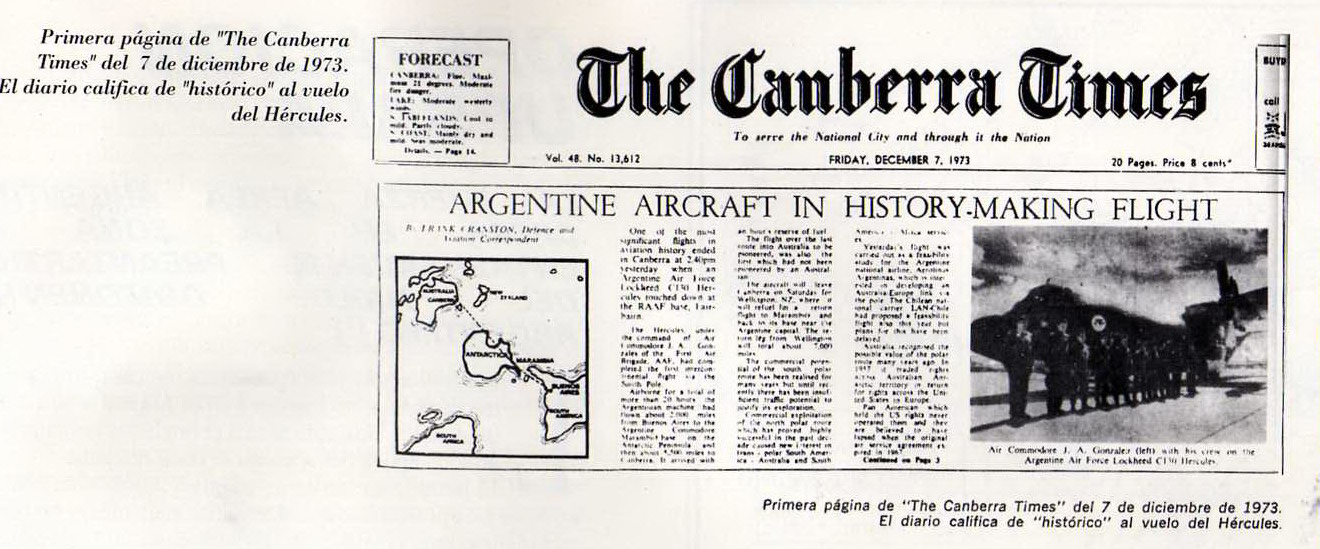
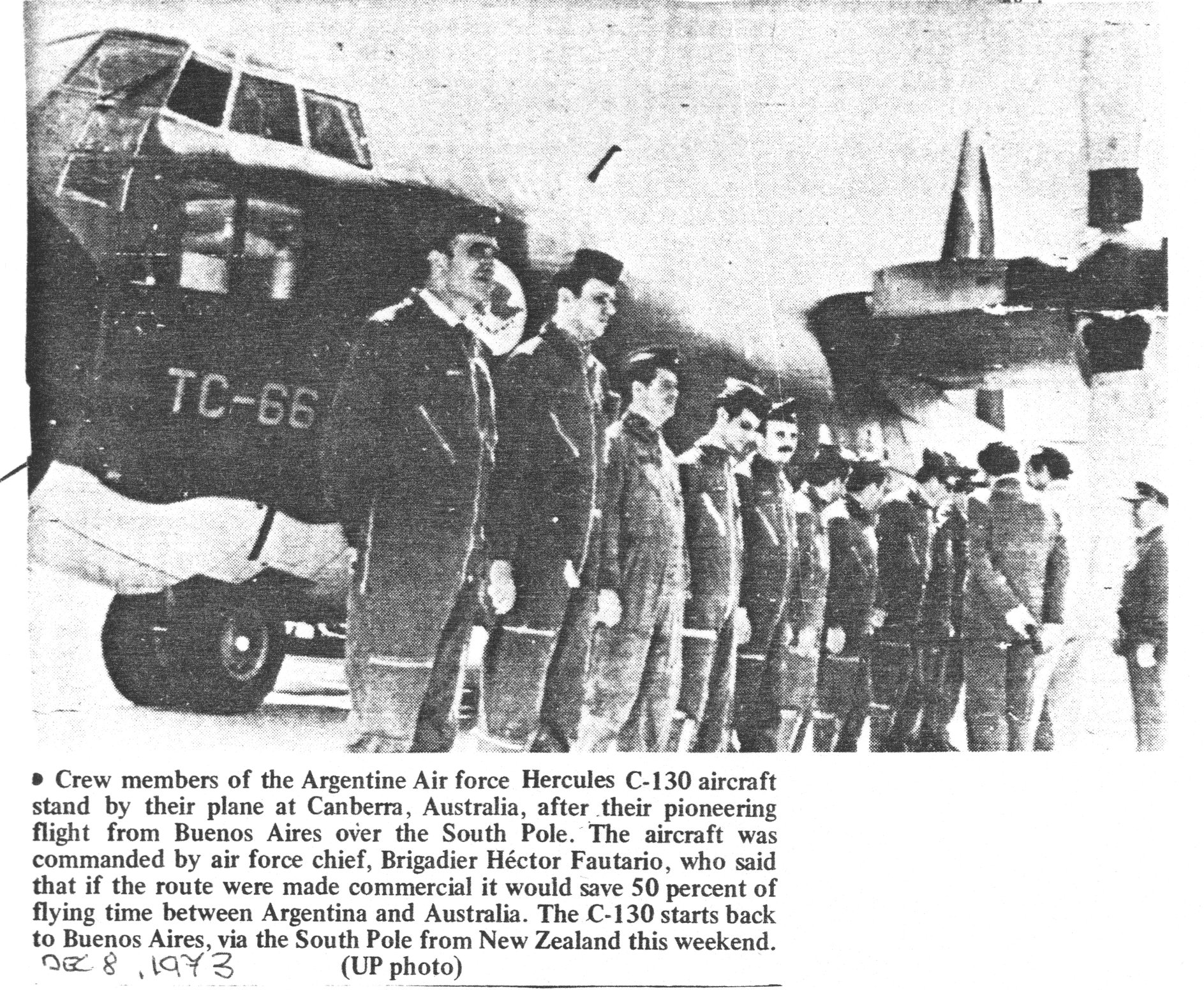
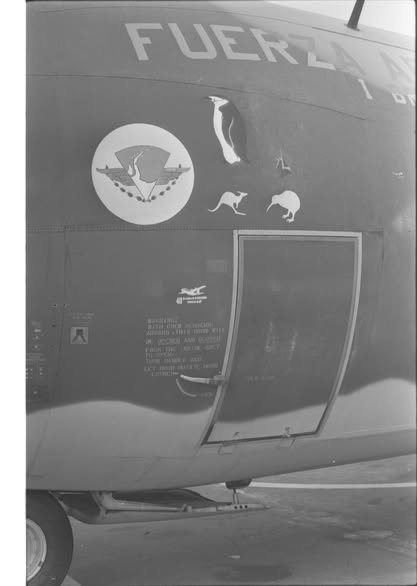
C-130 Hercules (TC-66) – The Giant That United Continents

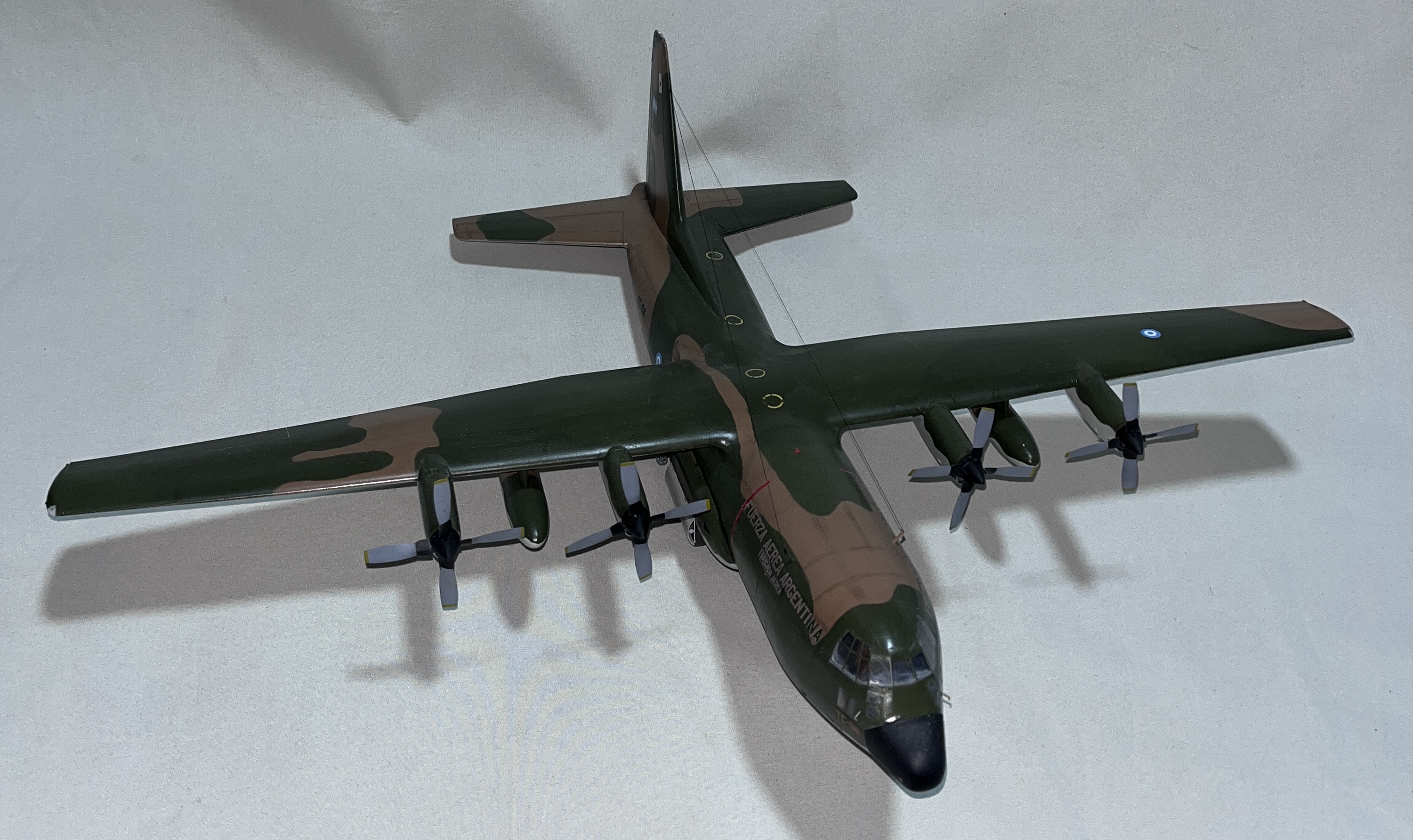
The Lockheed C-130 Hercules TC-66 was and remains the backbone of Argentina's Antarctic air logistics. Capable of transporting over 20 tons of cargo or dozens of passengers, it enabled the establishment of a direct air link between the American continent and Antarctica. Its crews are specially trained in polar navigation, ice landings, and night operations. The TC-66 participated in countless missions supplying bases, transporting fuel and heavy machinery, and conducting medical evacuations. It carried out historic long-distance flights from continental bases to Marambio, demonstrating the Hercules's range and reliability. Its role was crucial in maintaining a permanent Argentine presence in the Antarctic sector. It is considered the modern logistical icon of Antarctic air sovereignty.
Notable Missions

Operation Transantar (1973)
The TC-66 made the first intercontinental transantarctic flight, crossing Antarctica from Argentina to Oceania, demonstrating the viability of long-range polar air routes.


Training Flight to Marambio (1974)
The Hercules transported cadets from the Military Aviation School to Antarctica, initiating the tradition of training in extreme environments, integrating instruction, logistics, and air sovereignty.

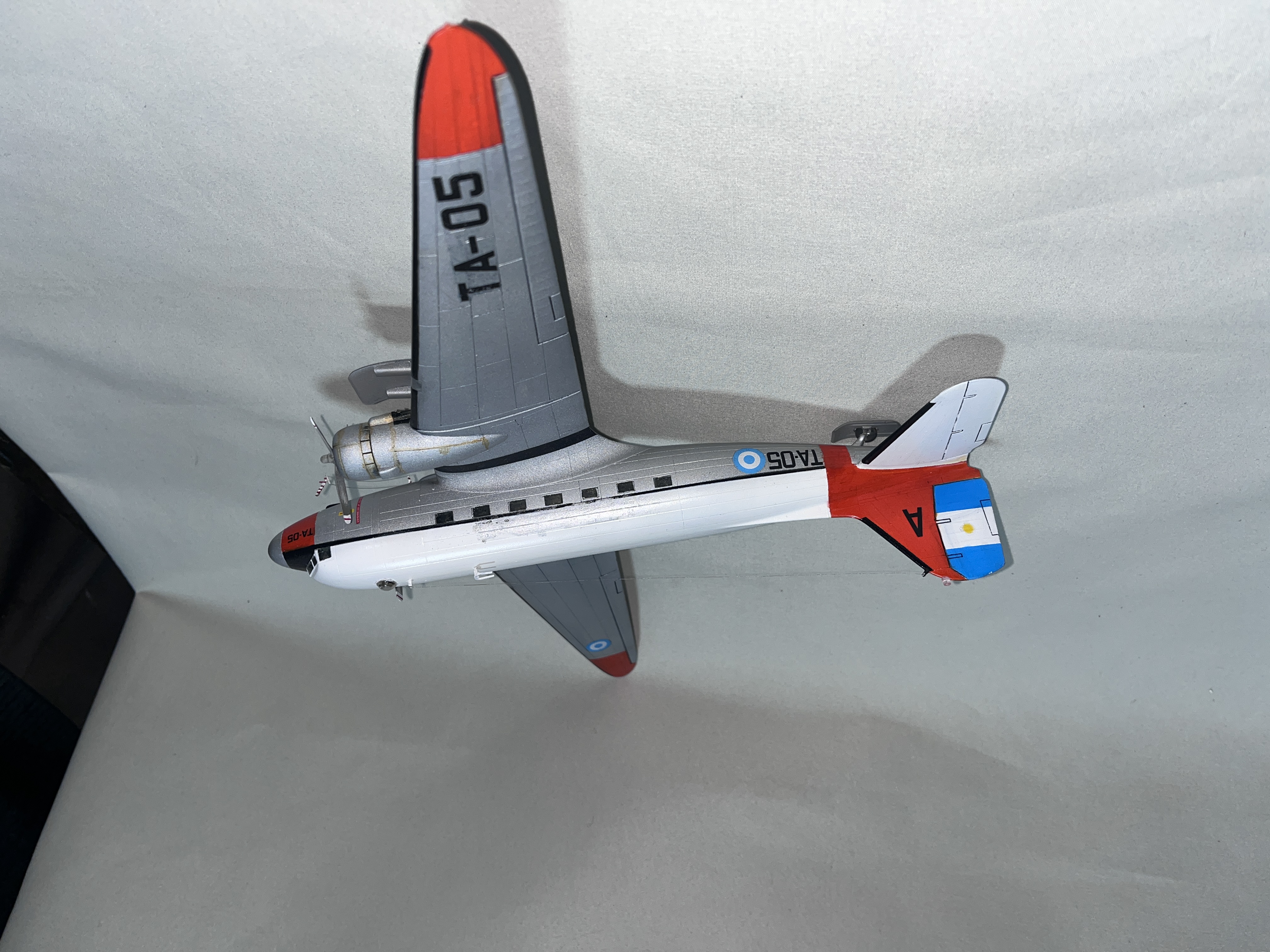
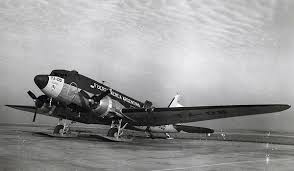
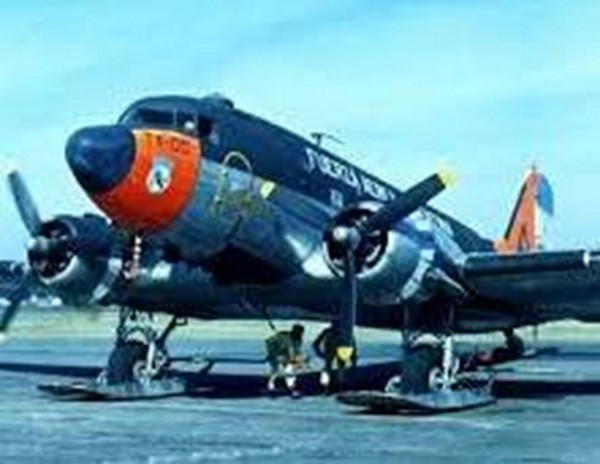
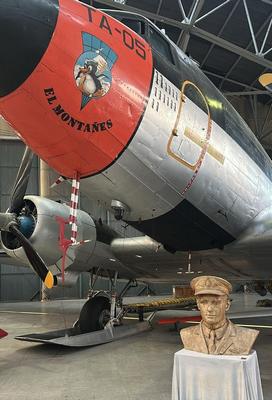
Douglas C-47 (TA-05) – The historic flight to Marambio Base

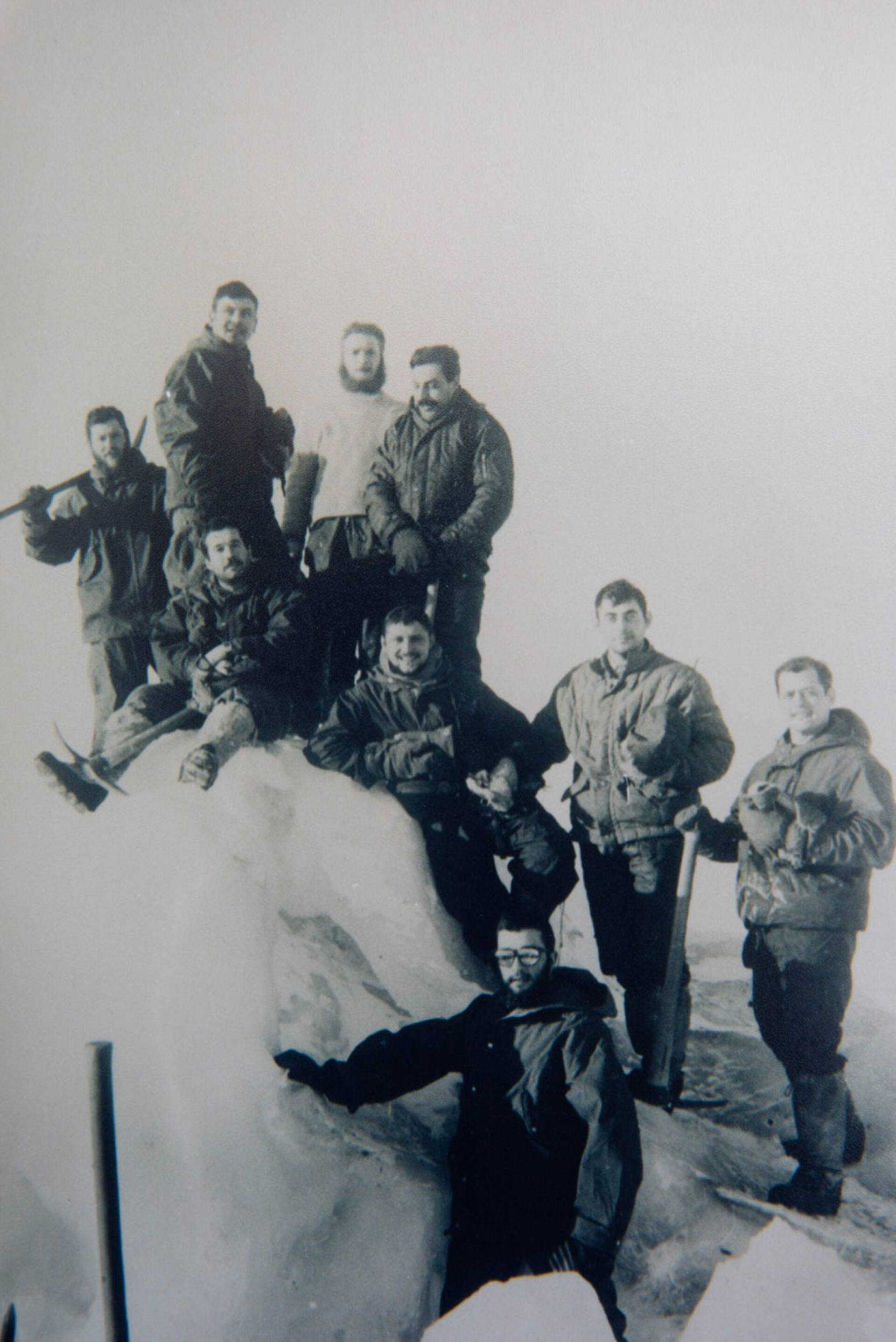
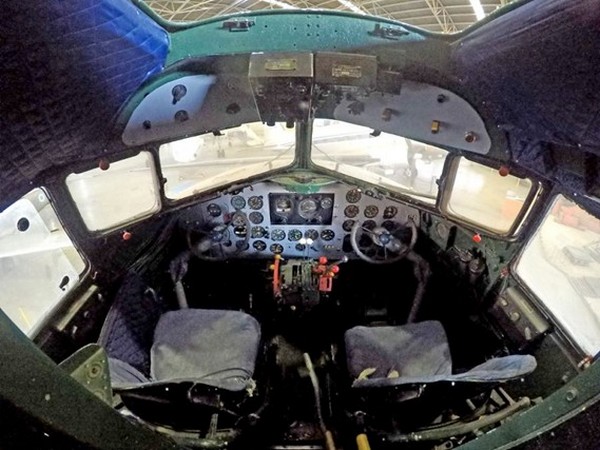
The Douglas C-47 Skytrain, the military version of the DC-3, marked a turning point in Antarctic aviation. In 1969, aircraft TA-05 made the historic first landing at the future Marambio Base, demonstrating the feasibility of operating medium-sized wheeled aircraft on consolidated Antarctic soil. The crew, comprised of pilots and navigators specializing in polar operations, faced extreme conditions of whiteout conditions, extreme temperatures, and navigation without modern aids. This mission laid the foundation for the concept of a "permanent Antarctic air bridge" that today connects the continent with mainland Argentina. The C-47 subsequently carried out supply flights, transported scientists, and established regular air routes. It stands as the foundational symbol of national Antarctic air logistics.
Notable Missions

First STAM 500 to Antarctica (1964)
On September 18, 1964, the first Military Air Transport Service (STAM 500) was carried out from Río Gallegos to Teniente Matienzo Base, inaugurating regular transport to Antarctica.

Operation South: Transpolar Flight (1965)
It carried out the first Argentine transantarctic flight, crossing the continent, reaching the South Pole, and arriving at the US McMurdo Station. It also transported Colonel Jorge Leal, head of the Argentine land expedition to the South Pole.

DH Beaver – The pioneer of light Antarctic air

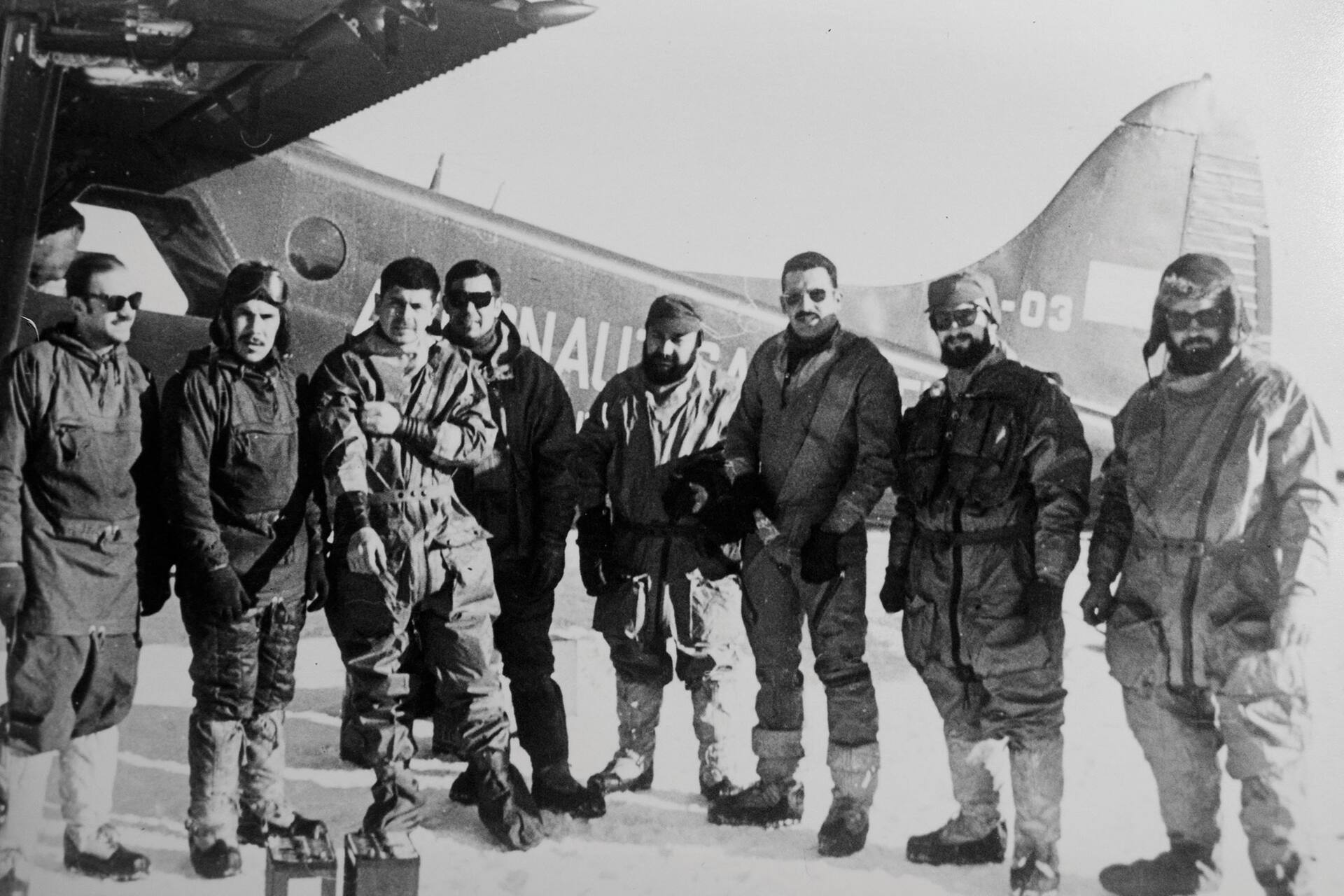
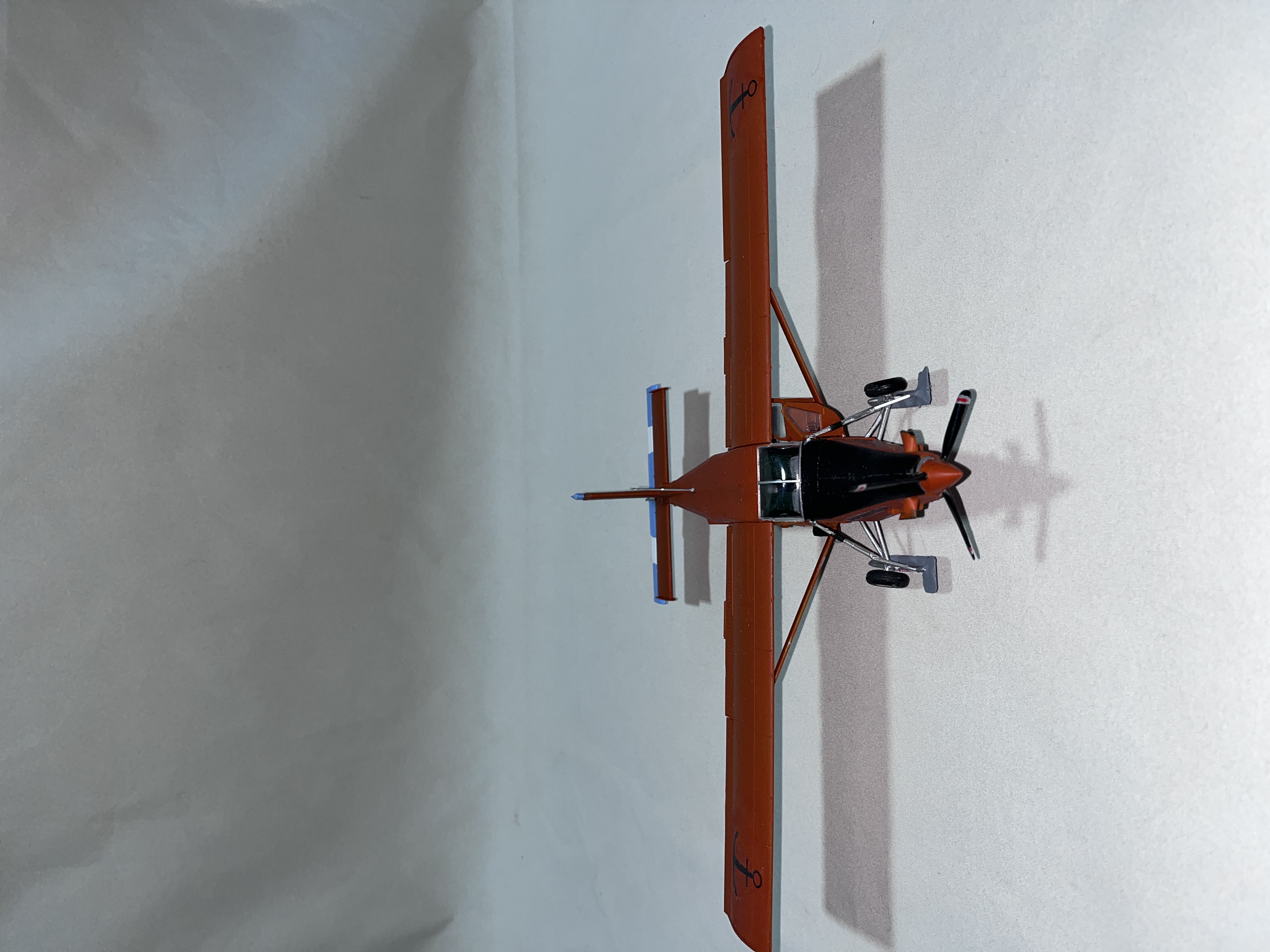
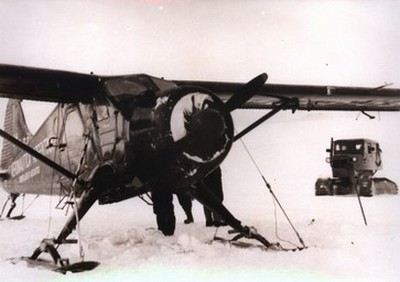
The de Havilland Canada DHC-2 Beaver was one of the first light aircraft to operate systematically in the Argentine Antarctic. Designed to take off and land on short runways, snow, or ice using skis, it proved crucial for reconnaissance, liaison, and the deployment of scientific personnel. Its crews, comprised of highly experienced Argentine Air Force pilots specializing in polar flight, carried out missions that connected isolated bases and allowed for the exploration of areas difficult to access by land. The Beaver performed light cargo transport, medical evacuations, and aerial photography. It operated primarily in regions near the eastern sector of the continent and in icy maritime areas. Its maneuverability enabled the establishment of initial air routes. It represents the true beginning of Argentine Antarctic utility flights.
Notable Missions

Operation “Marambio” (1969)
On September 25, 1969, the Beaver aircraft, registration P-03, made the first wheeled landing on Antarctic soil during the initial construction phase of the runway for the future Marambio Base. This flight demonstrated the feasibility of using consolidated dirt runways in Antarctica.


Operation South: Arrival at the South Pole (1965)
Two Beaver aircraft (P-05 and P-06) formed part of the First Argentine Air Squadron to the South Pole, carrying out reconnaissance, route scouting, and logistical support missions on the polar plateau during the historic Argentine transantarctic flight.