Antarctic Flights Microsite

Welcome to Argentina’s Historic Antarctic Flights

Each aircraft featured in this microsite represents a defining chapter in Argentina’s presence in Antarctica. From the pioneering flights that opened routes across an unknown territory, to the logistical and scientific missions that sustain our presence on the White Continent, Argentine aviation —both Navy and Air Force— helped shape the aeropolitical and scientific history of the southernmost region of the country.
Every recorded flight is part of a technological and human epic, where ingenuity, courage, and a deep sense of duty made science, exploration, and continuous presence in Antarctica possible.
Across eight decades, the flights of the Argentine Navy and Air Force tell a story of challenges, discoveries, and sovereignty. From early seaplanes to modern polar transport aircraft, each machine opened routes, supported bases, strengthened scientific missions, and carried out rescues that remain etched in Antarctic memory.
This microsite invites you to explore that legacy — aircraft by aircraft, flight by flight.
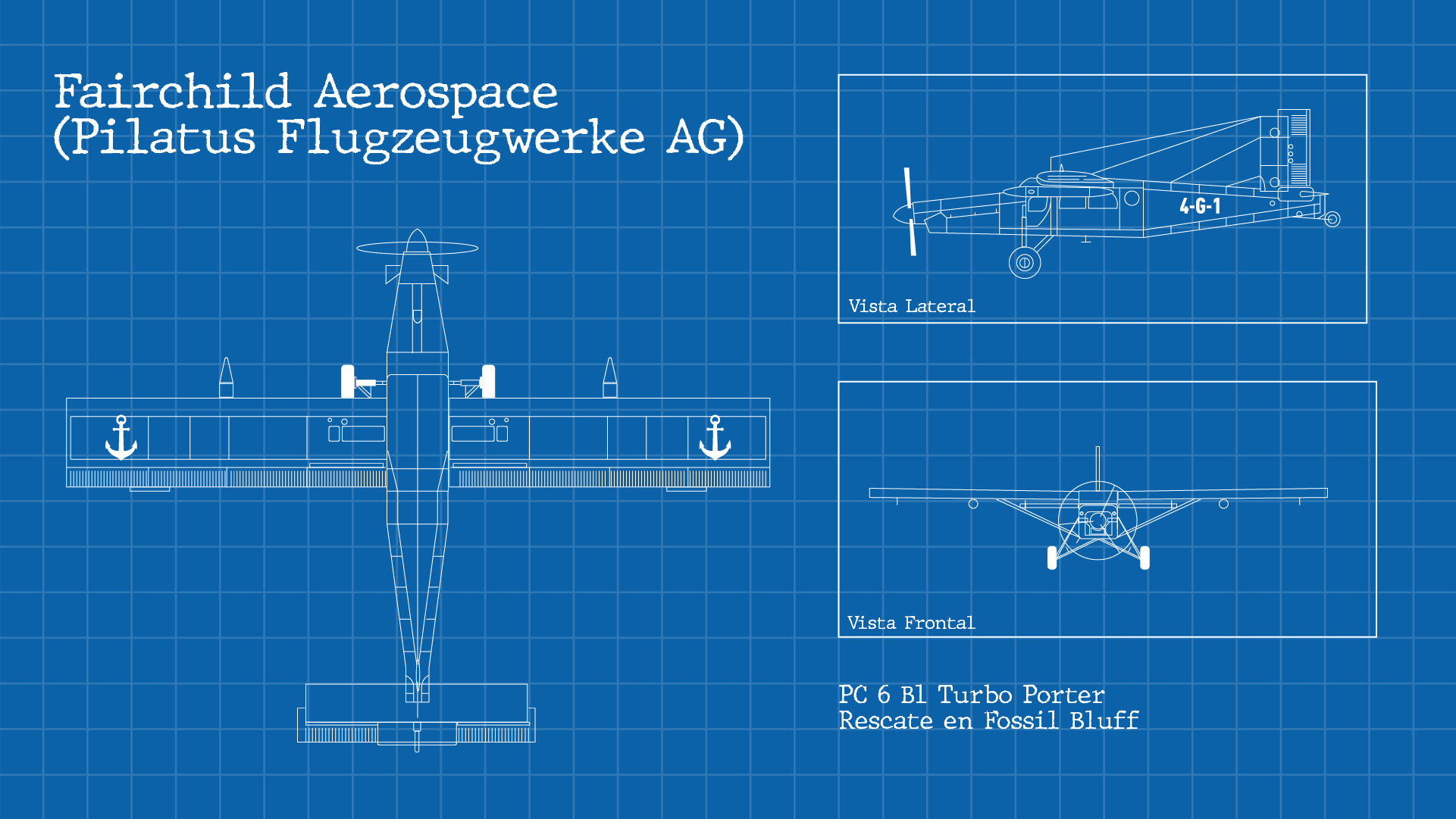
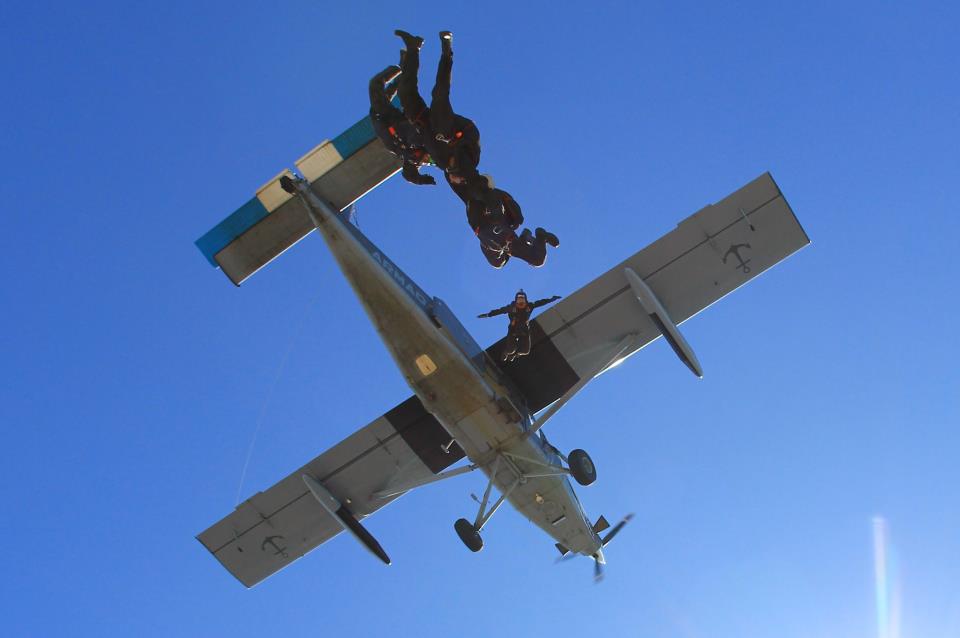
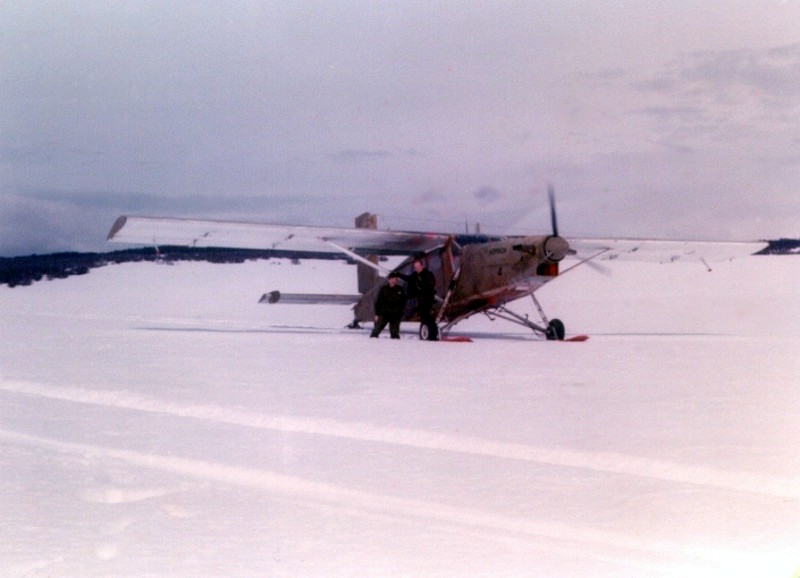
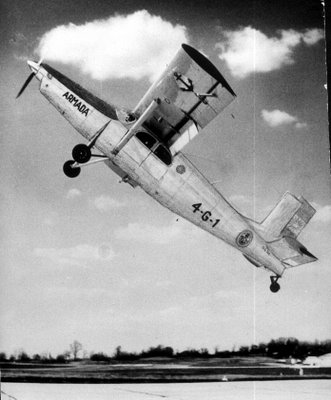
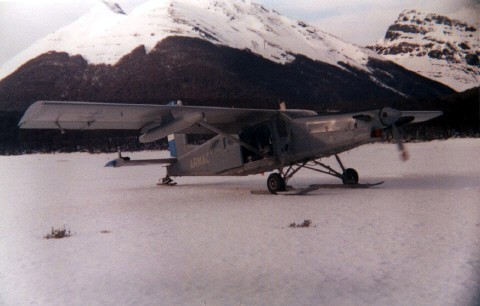
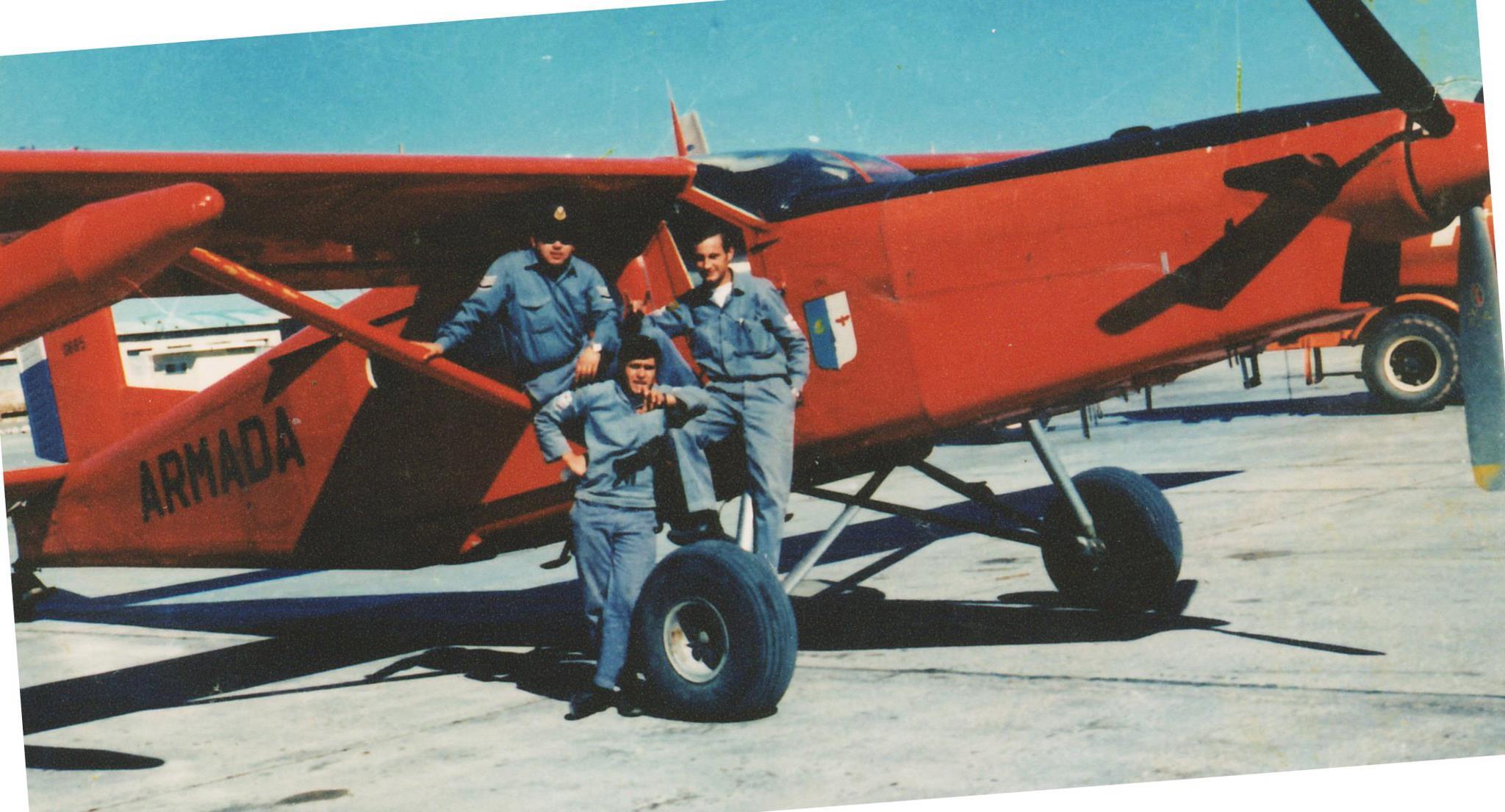
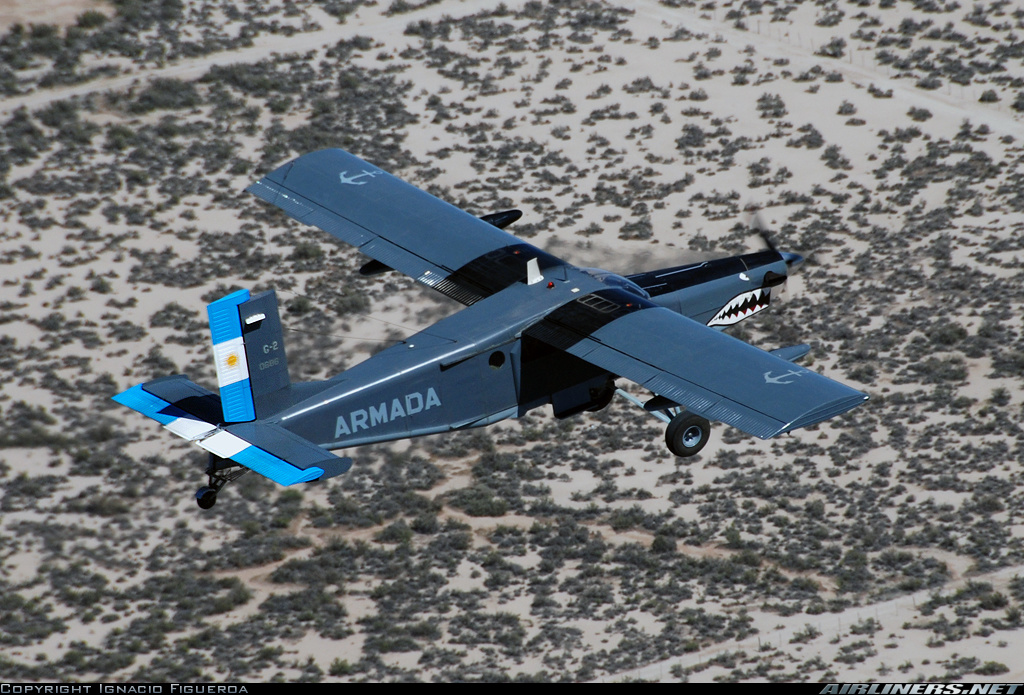
5. FAIRCHILD AEROSPACE (Pilatus Flugzeugwerke AG) PC6 B1 TURBO PORTER

At the end of August 1971, the British Government requested help from our country to rescue and save the lives of two British scientists who were in the small base of Fossil Bluff, in the interior of the Antarctic plateau (territory claimed by Argentina, Chile and the United Kingdom). The sick were: Roger O’DONOVAN, 25 years old, suffering from viral hepatitis and Richard WALKER, of the same age with a broken leg.
The Navy ordered its Naval Aviation to analyze the possible rescue using a Fairchild PC-6B 1 single-engine plane that had just been incorporated from the factory and was already operating from the Petrel Antarctic Base.
The responsibility fell on Navy Lieutenant Roberto Juan Seisdedos, Frigate Lieutenant Juan Carlos Ansay, Mechanic Warrant Officer Gerardo Palladino and Doctor Aurelio Bosso.
The rescued wounded were transferred at the Marambio Base to a C-130 of the Argentine Air Force with final destination Buenos Aires.
Technical Specifications

MANUFACTURER: Fairchild Industries, under license from Pilatus Fluzengwerke.

PURPOSE: Light transport and general purpose.
CREW: 2
CAPACITY: 7 passengers or 1000 kg of cargo.

DIMENSIONS
WINGSPAN: 15.2 m
LENGTH: 10.9 m
HEIGHT: 3.20 m
WEIGHT: 2767 kg
PERFORMANCE
MAXIMUM SPEED: 280 km/h
RANGE: 898 km
ENGINE: 1 Pratt & Whitney Aircraft of Canada PT-6-A-20 turboprop of 559 hp. Three-bladed, variable-pitch, reversible propeller.

ARMAMENT: None.

NUMBER OF DEVICES: 4
CHARACTERISTICS: 4-G-1 to 4-G-4, 6-G-1 to 6-G-4, 2-G-2
PERIOD OF USE: 1971 onwards

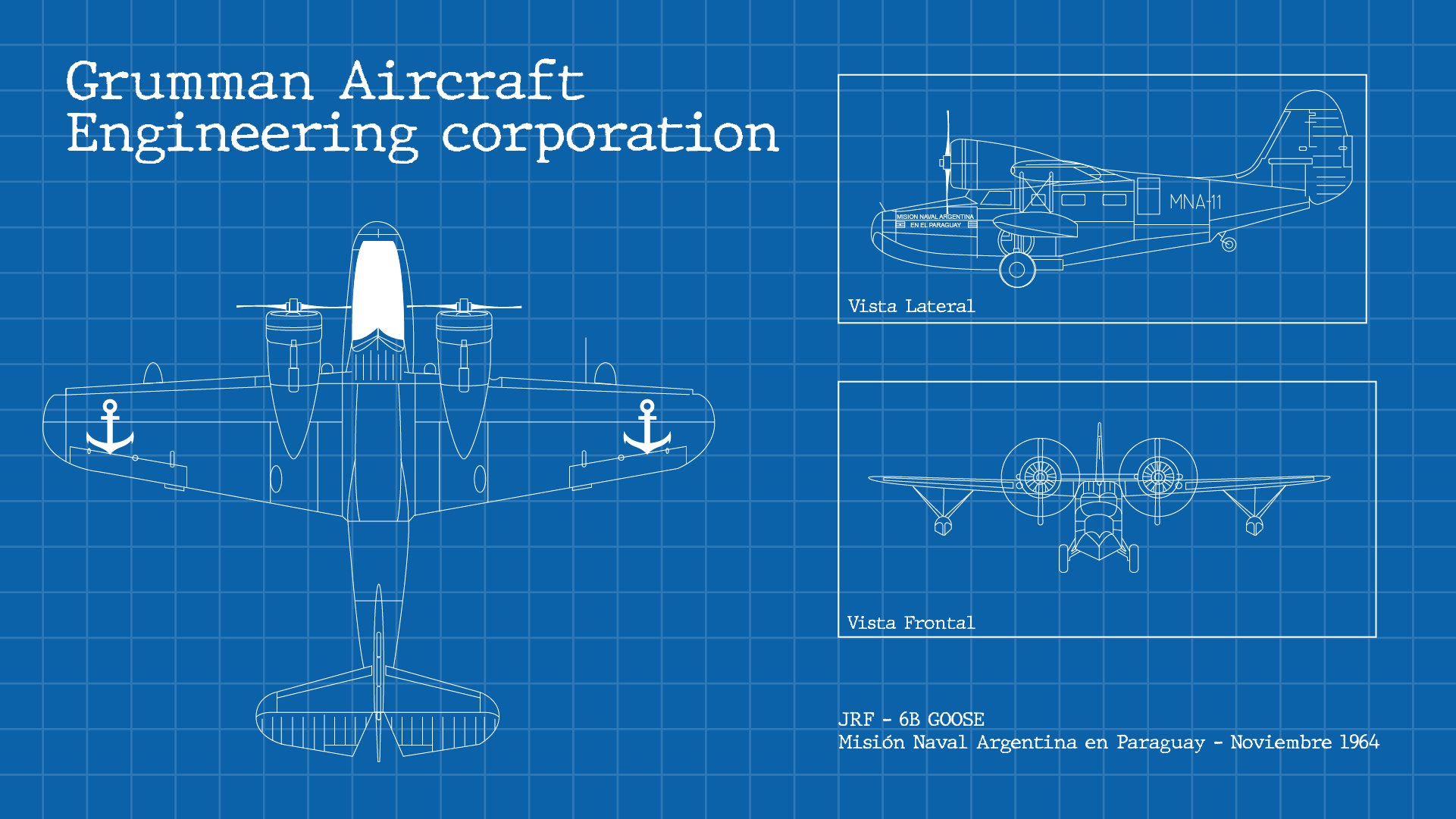
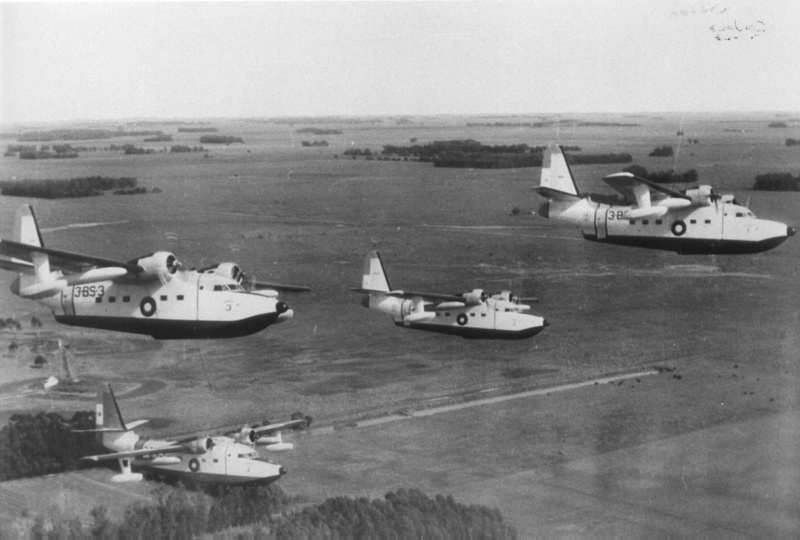
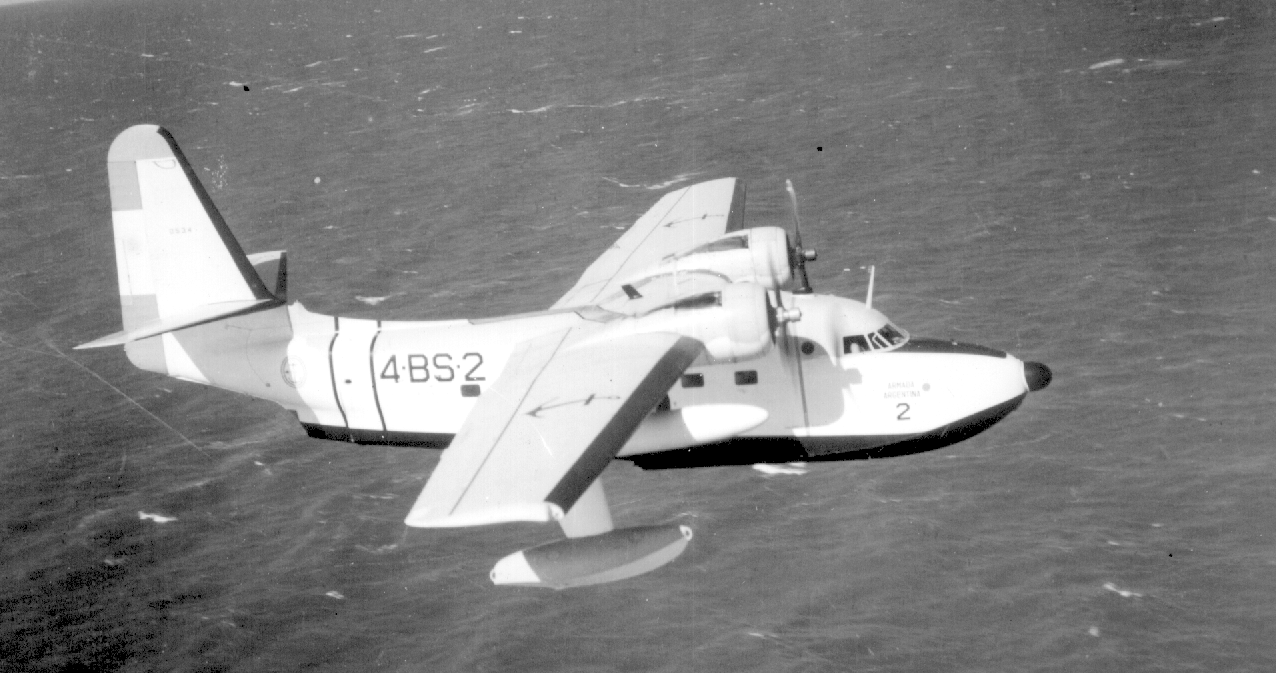
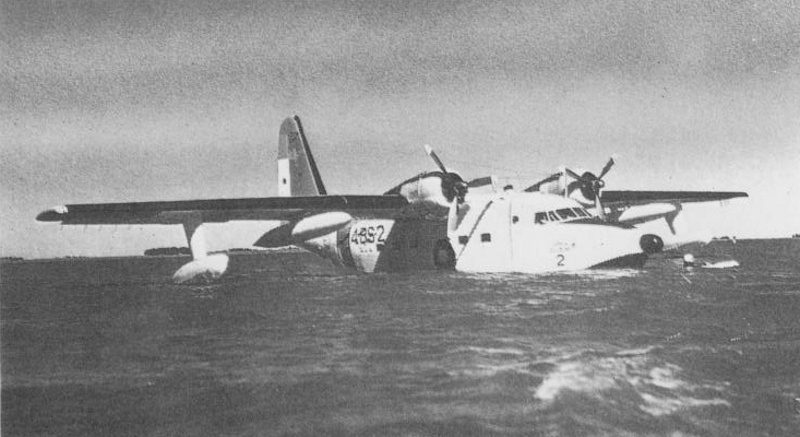
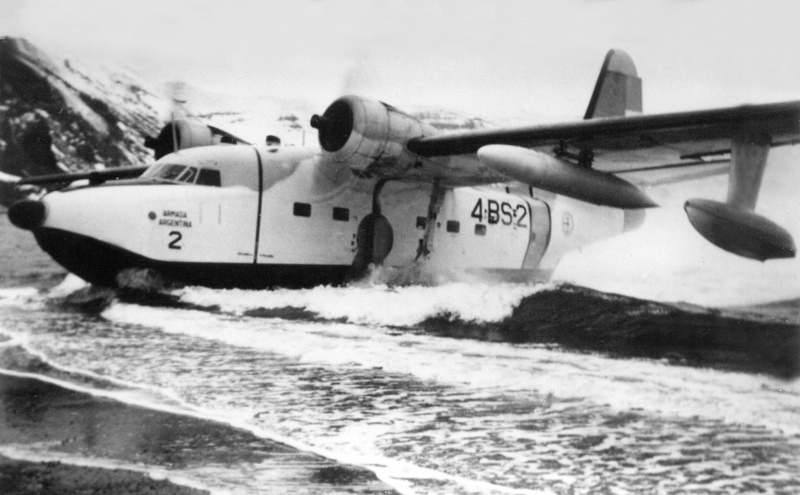
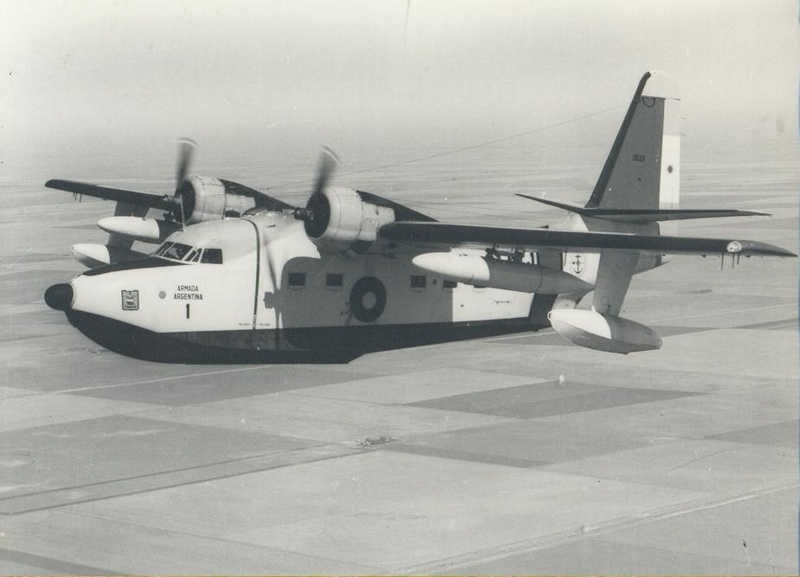
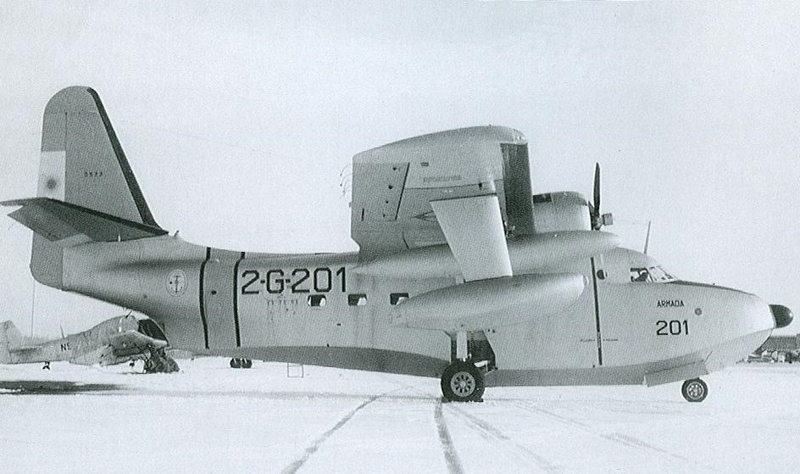
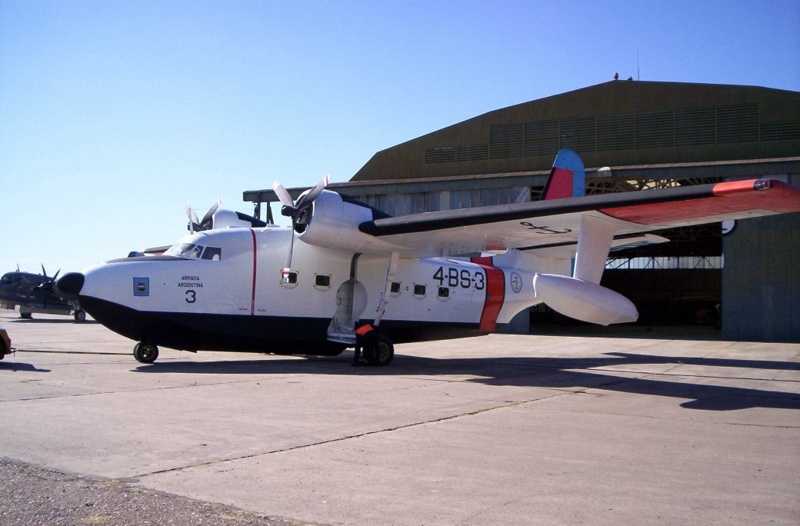
4. GRUMMAN HU-16B ALBATROS

At the end of August 1962, the Argentine Government acquired six (6) Grumman HU-16B Albatros aircraft and assigned three (3) to the Navy and three (3) to the Air Force.
The Navy incorporated them to its Naval Aviation, on April 2, 1963, constituting the Naval Air Search and Rescue Squadron.
They were in active service until 1977 and carried out innumerable maritime control and rescue operations and several missions in the Antarctic continent and the Malvinas Islands.
In particular, they supported the crossing to Antarctica of smaller aircraft such as the Twin Otter to the Petrel Air Base in 1969 and 1970. Staying in flight throughout the operation.
In those years four (4) crossings were made. And then in 1971 two (2) crossings to Malvinas in support of an international wildlife rescue operation.
They operated from the Deception Island Naval Base as trifibian aircraft. Land, water and snow.
Technical Specifications

MANUFACTURER: The Grumman Aircraft Engineering Corporation

PURPOSE: Reconnaissance, anti-submarine warfare, search and rescue

CREW: 6
DIMENSIONS
WINGSPAN: 24.38 m
LENGTH: 18.5 m
HEIGHT: 7.4 m
WEIGHT: 12,281 kg
PERFORMANCE
MAXIMUM SPEED: 423 km/h
RANGE: 4,300 km
ENROLLMENT: 16 hours at 250 km/h
ENGINE: 2 x Wright R-1820-76A Cyclone engines of 1,425 hp each. Three-bladed, variable-pitch, reversible propellers.
ARMAMENT: None. NUMBER OF DEVICES: 4
CHARACTERISTICS: 2-G-201 to 2-G204, 4-BS-1 to 4-BS-4
PERIOD OF USE: 1960 – 1977

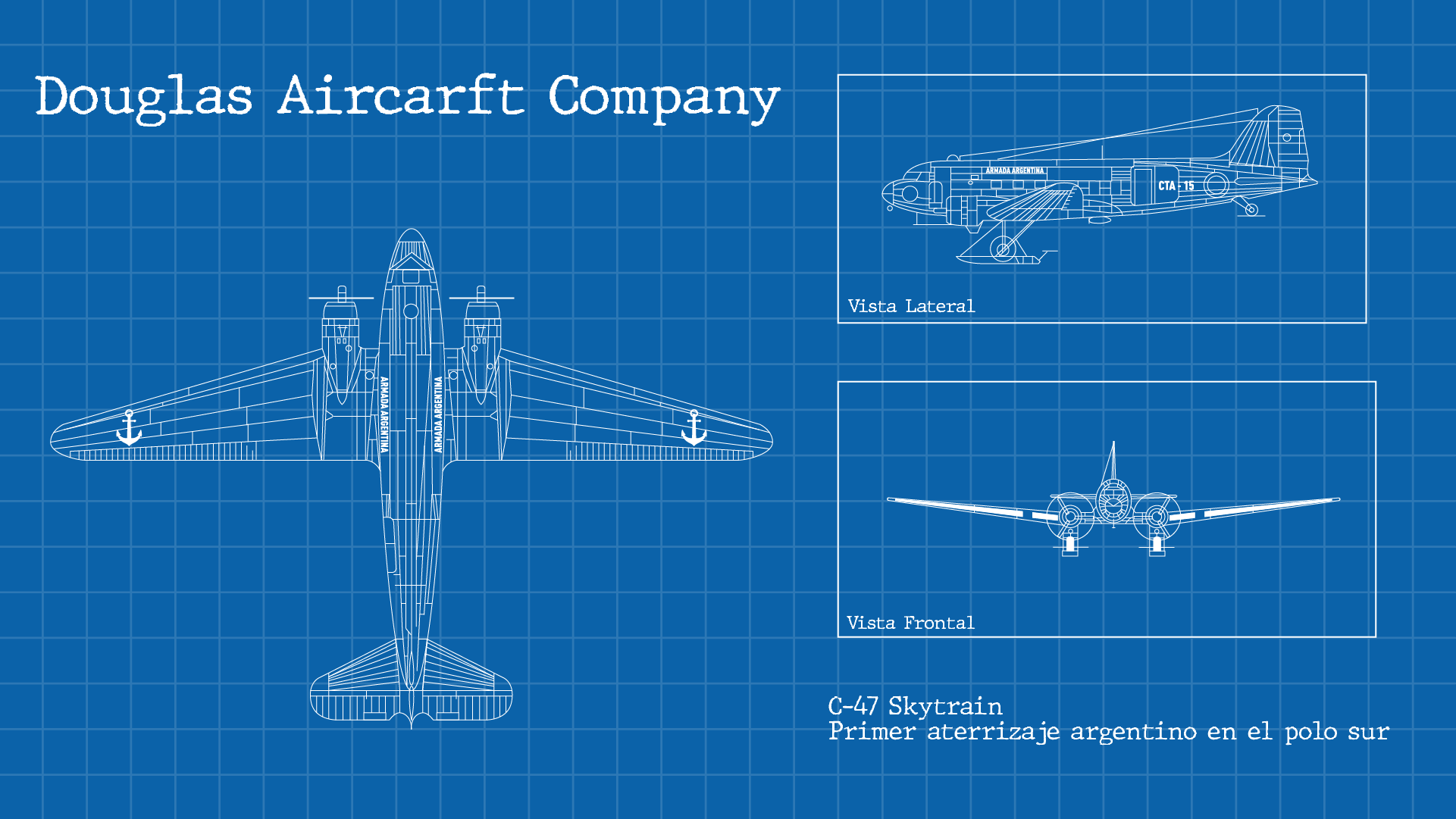
3. DOUGLAS AIRCRAFT COMPANY C-47 SKYTRAIN

Between December 5, 1961 and January 22, 1962, the Argentine Naval Aviation would fulfill President Frondizi’s order of reaching the South Pole during the Antarctic Campaign of that year.
The task was in charge of the Second Transport Aeronaval Squadron with C-47 aircraft.
The Command of that Unit was in charge of the CFAV Hermes Quijada and the detailed crews above.

They reached the South Pole after three stages on January 6, 1962.

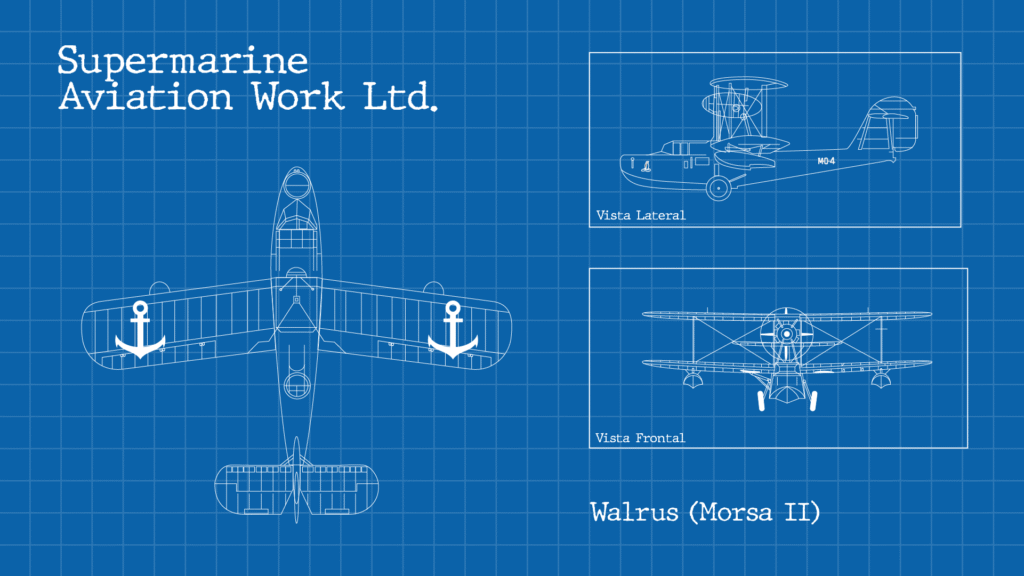
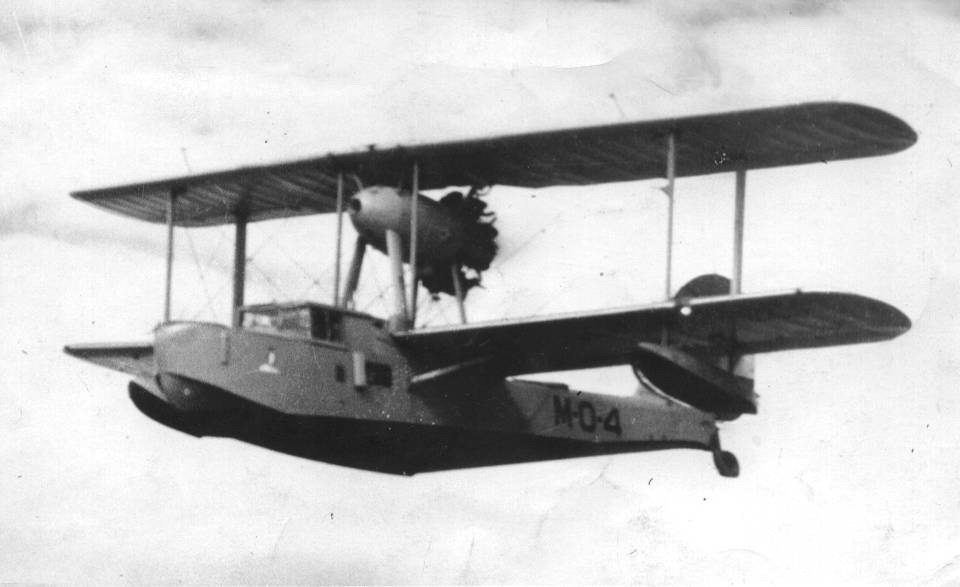
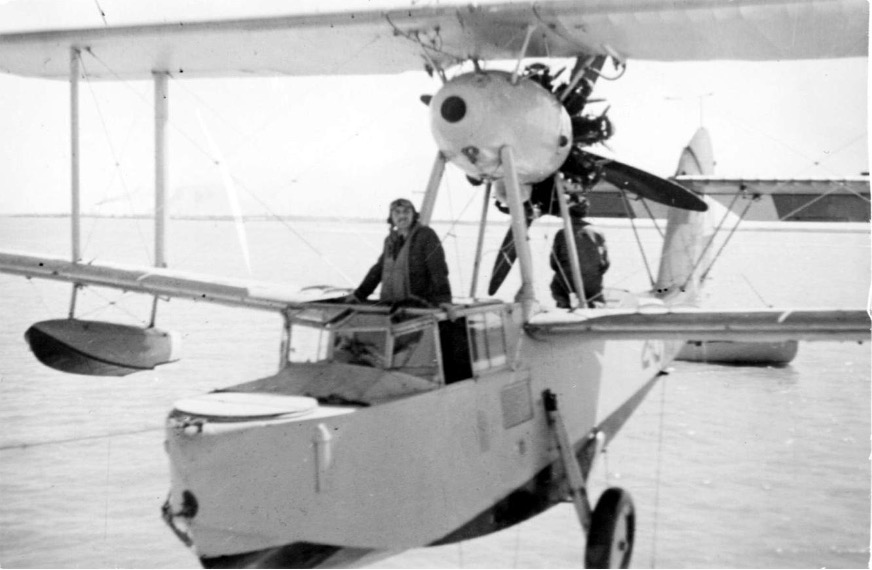
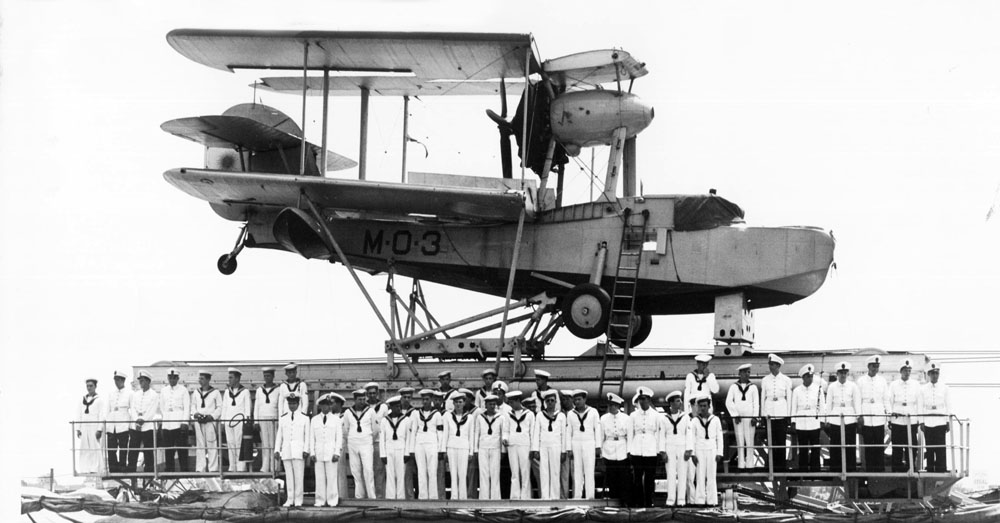
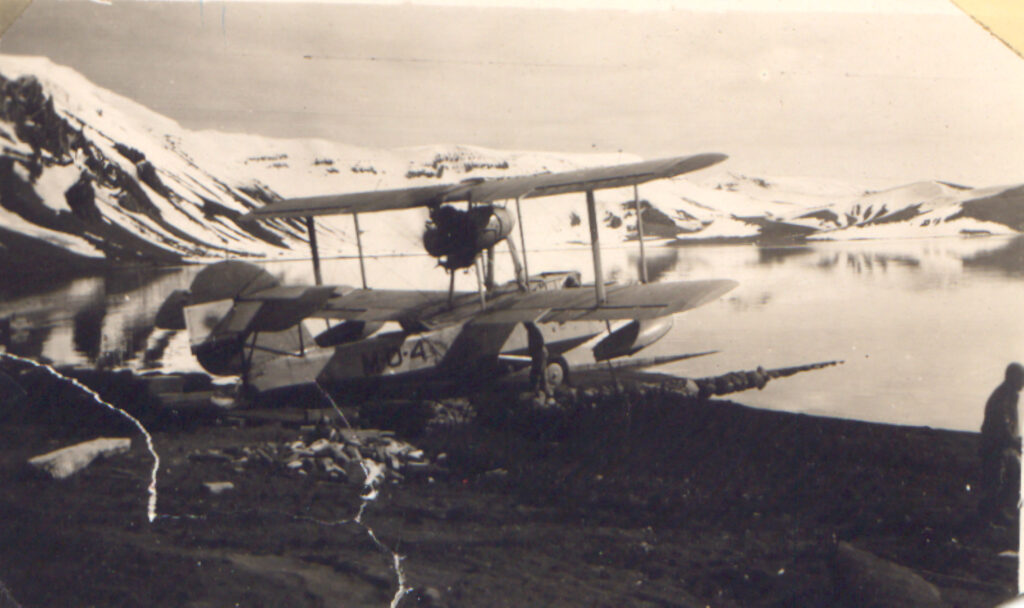
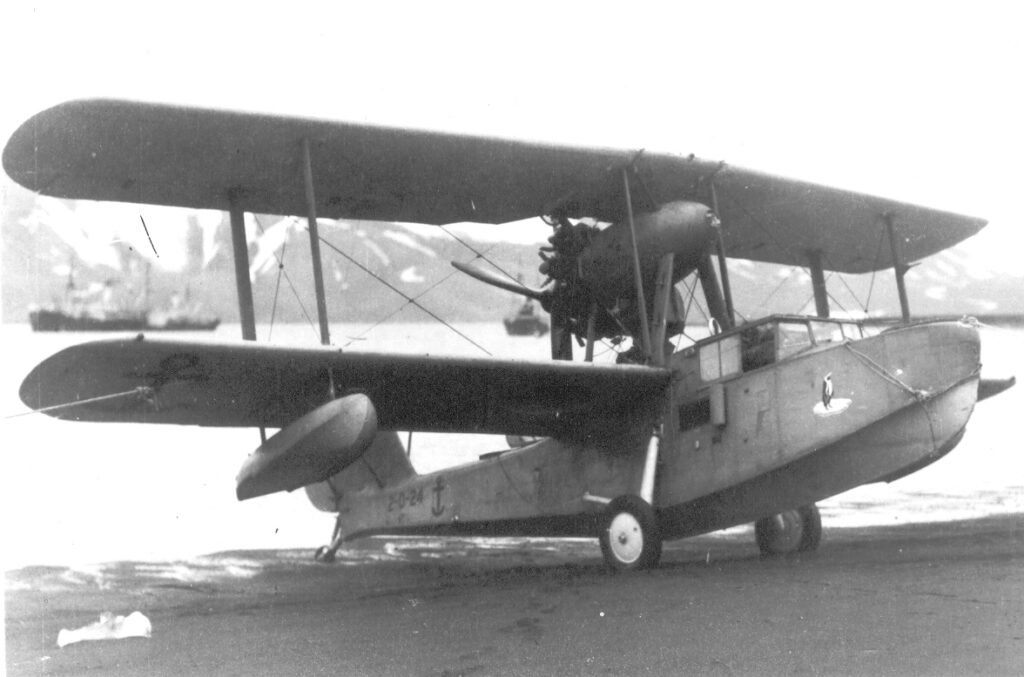
2. SUPERMARINE AVIATION WORK LTD WALRUS (MORSA) II

In March 1947 aboard the ARA “Patagonia” commanded by Lieutenant Commander Leandro M.B. Maloberti, a slightly more suitable aircraft is transferred, since it has its cabin closed in the fuselage, it is the Walrus M-O-2, whose crew is composed by: Frigate Lieutenant Oscar Tachella, Corporal 1º Mechanic R. J. Román and Mr. Pedro Pouchulu photographer. One of the tasks assigned was to intensify the aerial reconnaissance activity and to start using aerial photogrammetry in the hydrographic surveys, a task that will decide the incorporation of airplanes and equipment capable of carrying out this type of surveys for the next decade.
In December of that year the Sea Fleet was deployed, with the Cruisers “Brown” and “25 de Mayo” with Walrus aircrafts, to continue the exploration tasks.
Technical Specifications

MANUFACTURER: Vickers-Armstrong Ltd.
PURPOSE: Carrier-based and amphibious reconnaissance flying boat
CREW: 4
DIMENSIONS
WINGSPAN: 17 m
LENGTH: 11.6 m
HEIGHT: 4.6 m
WEIGHT: 3,266 kg
PERFORMANCE
MAXIMUM SPEED: 230 km/h
RANGE: 1,020 km
ENROLLMENT: 5.5 hours at 150 km/h
ENGINE: 1 x 775 hp Bristol Pegasus VI engine. Four-bladed propeller.
ARMAMENT: 2 x Vickers K machine guns .303″ and two 172 kg MK VII depth charges.
NUMBER OF DEVICES: 8
CHARACTERISTICS: M-O-2 to M-O-9, 7-O-1 to 7-O-6, 2-O-1
PERIOD OF USE: 1947 – 1958

1. STEARMAN AIRCRAFT 76 D-1

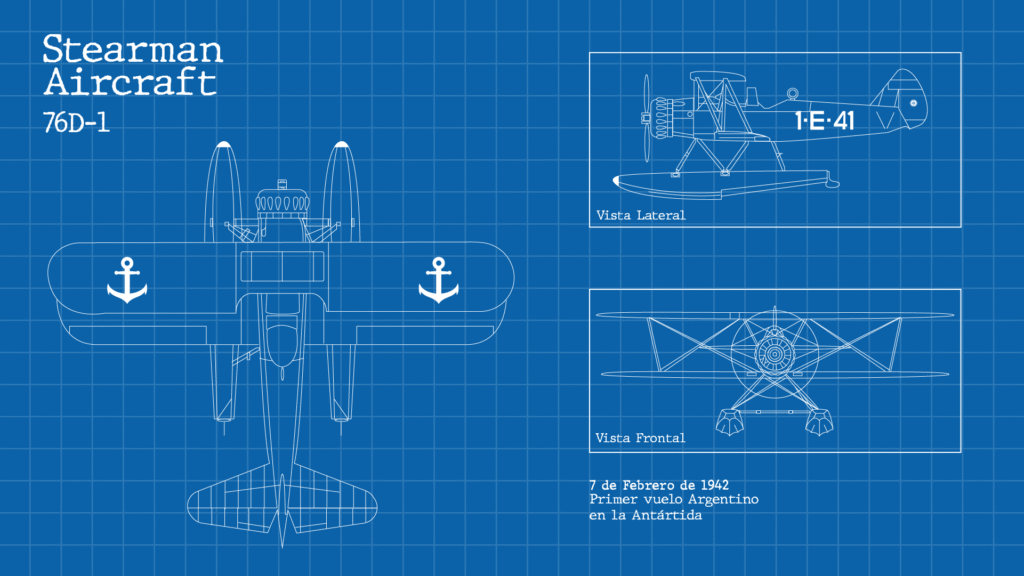
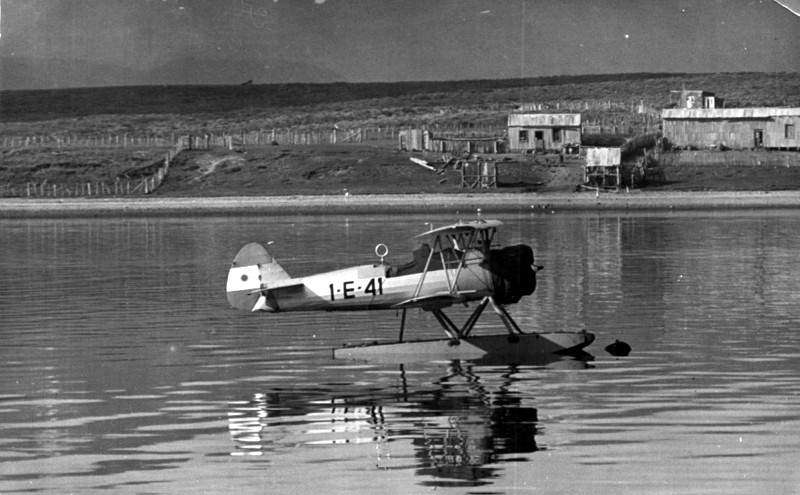
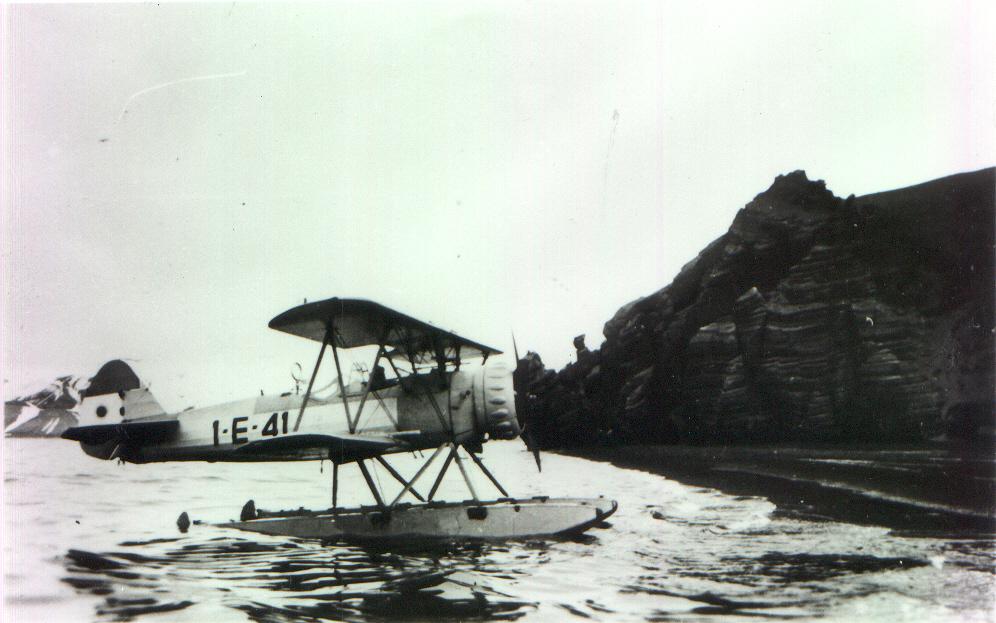
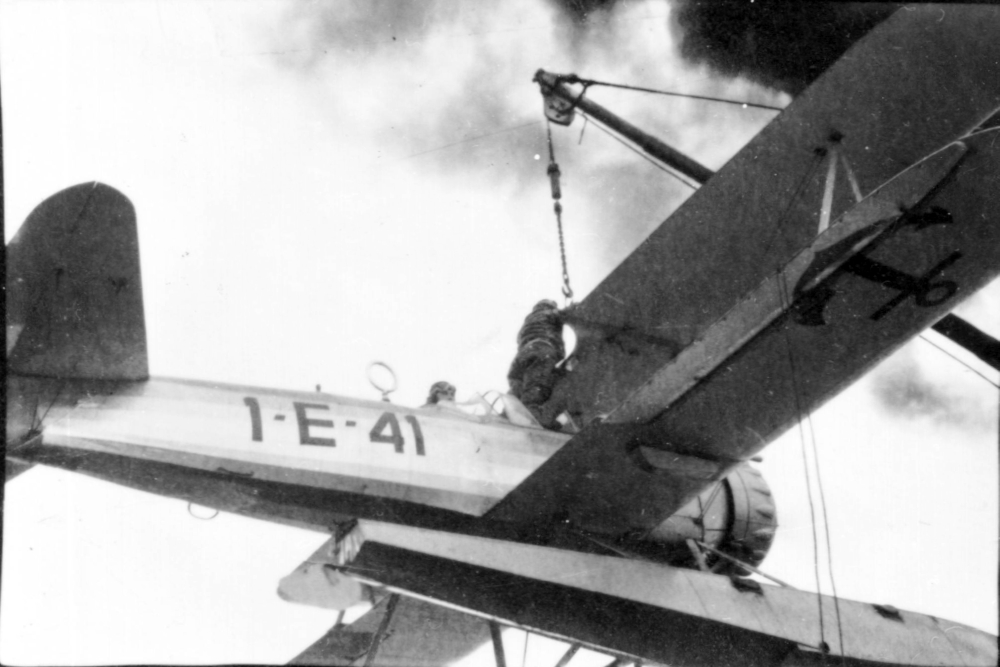
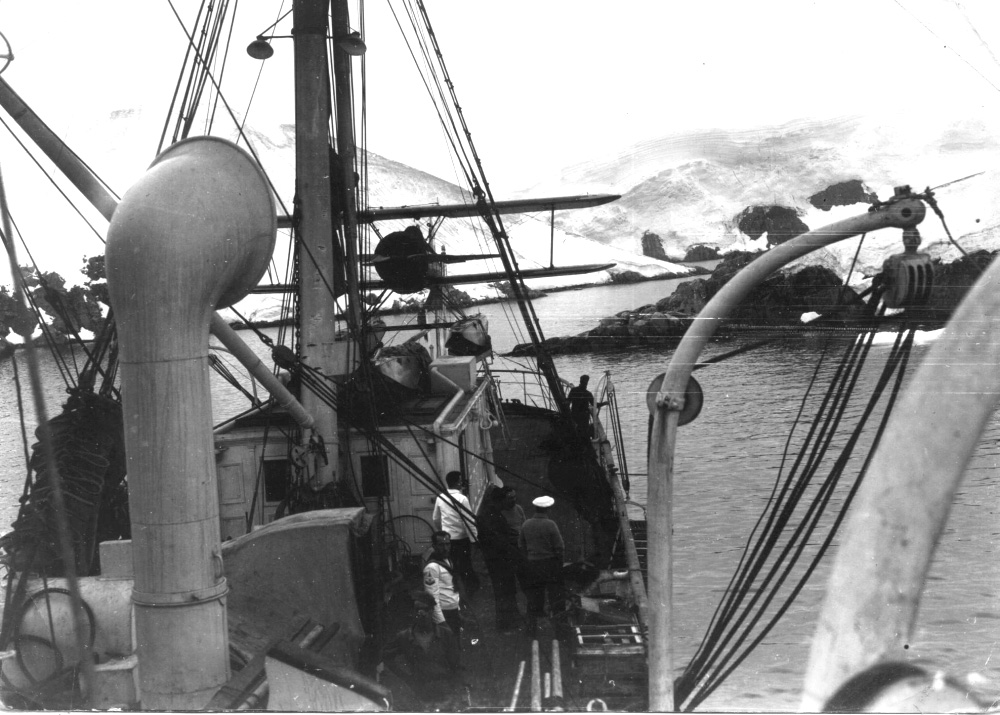
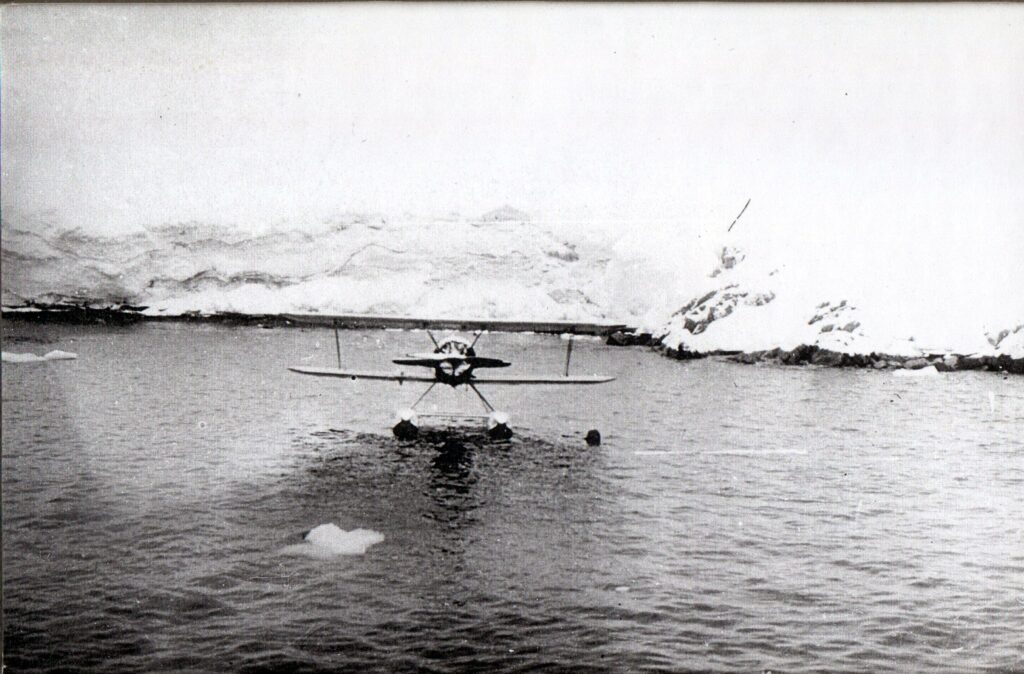
The A.R.A. Transport "01 de mayo" carried out its 4th Antarctic Naval campaign in January-March 1942, under the command of Frigate Captain Alberto J. ODDERA. It carried on board a naval aircraft, a 76-D1 stearman, registration "1-E-41", equipped with two floats that transformed it into a hydro, an RT transceiver and a radiogoniometer. The aircraft was piloted by Frigate Lieutenant Eduardo LANUSSE, its mechanic was Corporal Aeronautical Erik BLOMQUIST, and its photographer was Corporal 1st Class Antonio Silva. Having arrived at the operating theater on February 7, 1942, it was lowered to the waters of Puerto Foster (Deception Island) and there it carried out the first Antarctic flight of an Argentine aircraft, photographing Deception Island from the air, especially the areas of Rada Buen Tiempo and Caleta Péndulo.
Technical Specifications

Manufacturer: Stearman Aircraft, a division of Boeing Airplane Company.

Origin: United States of America.

Purpose: Advanced flight training.
Crew: Two.
Propulsion: One 320 hp Pratt & Whitney Wasp Jr. T1B engine.
Two-bladed Hamilton Standard variable-pitch propeller.
Dimensions: Wingspan: 9.85 m, Length: 7.35 m, Height: 2.79 m
Weight: Empty weight: 1050 kg, maximum weight: 1601 kg
Speed: 244 km/h
Range: 895 km
Armament: 2 x .303 caliber Colt MG-40 machine guns with 700 rounds and 2 x 45.36 kg bombs or 5 x 11.34 kg bombs
Identification: E-40 to E-49, 2-Gc-1 to 2-Gc-3, 3-Gc-1/3, 1-E-20 to 1-E-24
Quantity: Sixteen aircraft
Period of service: 1936 to 1949